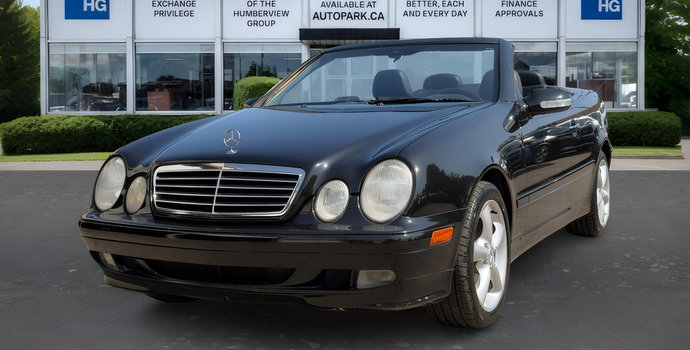
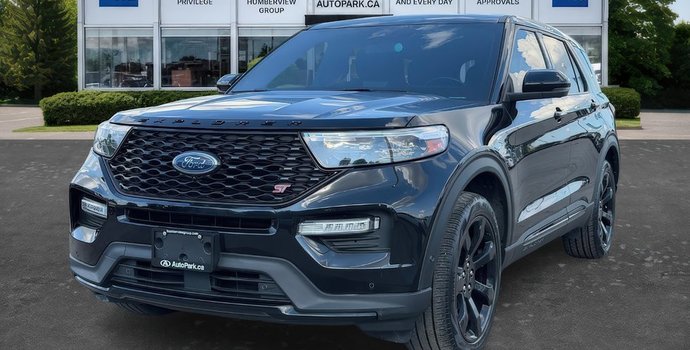
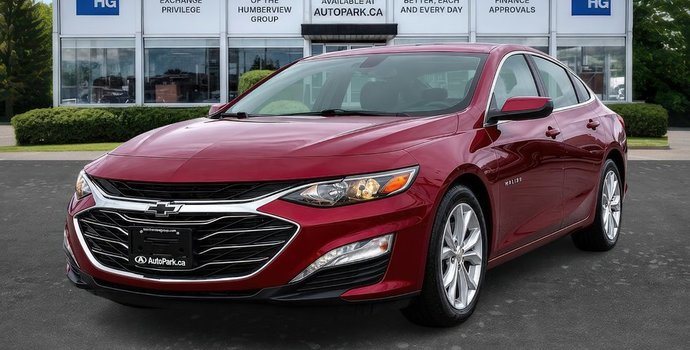
When purchasing a pre-owned vehicle, understanding the different types of warranties still in effect and the additional protections available can help ensure you’re making a sound investment. Factory warranties often extend beyond the first owner, offering valuable coverage even when the vehicle is pre-owned. In addition, there are extended warranties designed specifically for used vehicles, providing peace of mind as you drive. This guide breaks down the types of warranties that may still be active on pre-owned vehicles and what to look for when considering additional coverage.
1- Factory Warranties That May Still Be in Effect

When buying a pre-owned vehicle, it’s essential to check which factory warranties are still valid. These warranties are originally offered by the manufacturer and cover specific components of the vehicle. Here are the most common types of factory warranties:
- New Vehicle Limited Warranty (Bumper-to-Bumper): This comprehensive coverage typically lasts for three to four years or a certain mileage, whichever comes first. It covers almost all components of the vehicle except for wear items like tires and brake pads. If the pre-owned vehicle you’re considering is still within this timeframe, you may benefit from any remaining bumper-to-bumper coverage.
- Powertrain Warranty: This warranty generally extends for five to ten years, covering essential components like the engine, transmission, and drivetrain. Even if the bumper-to-bumper warranty has expired, the powertrain warranty may still be in effect on a pre-owned vehicle. This coverage is especially valuable for buyers concerned about major repairs.
- Electric Vehicle (EV) Battery Warranty: For hybrid and electric vehicles, the battery and related components are usually covered by a separate warranty, which often lasts up to eight years or a specified distance. This warranty is crucial for EV buyers, as battery replacements can be expensive. When purchasing a pre-owned EV, ensure that the battery warranty is still active and check the remaining coverage period.
- Rust and Corrosion Warranty: Rust protection warranties are designed to cover repairs needed if the vehicle’s body or frame develops rust or corrosion. These warranties can last for five to seven years, making them particularly useful for pre-owned vehicles that have been exposed to harsh climates.
2- Extended Warranty Options for Pre-Owned Vehicles

In addition to any remaining factory coverage, buyers can opt for extended warranties specifically designed for pre-owned vehicles. These warranties vary widely in coverage and can be customized to fit your needs. Here are the main types of extended warranties and what to consider when choosing one:
- Powertrain Extended Warranty: This type of warranty extends the coverage of your vehicle’s engine, transmission, and drivetrain beyond the factory warranty. It’s ideal for buyers focused on protecting against major mechanical failures. When selecting a powertrain extended warranty, ensure it covers vital components like seals, gaskets, and internal lubricated parts, which can be costly to repair.
- Comprehensive (Bumper-to-Bumper) Extended Warranty: A more extensive option, this warranty covers a wide range of components, from electrical systems to air conditioning. While comprehensive extended warranties offer more protection, they also tend to be more expensive. Look for a warranty that includes coverage for newer technologies, such as infotainment systems, that might fail over time.
- Component-Specific Extended Warranties: Some extended warranties allow you to focus coverage on specific areas, such as electronics, climate control, or suspension. These plans are highly customizable, letting you add protection where your vehicle may be more vulnerable. For example, if your pre-owned vehicle is known for common issues with certain systems, a component-specific warranty could provide targeted coverage.
- Wear-and-Tear Warranties: While most warranties exclude items that wear out with regular use, some extended warranties specifically cover these components. Items like brake pads, windshield wipers, and even tires can be included in such plans, helping you manage regular maintenance costs.
3- What to Look for When Selecting a Pre-Owned Vehicle Warranty
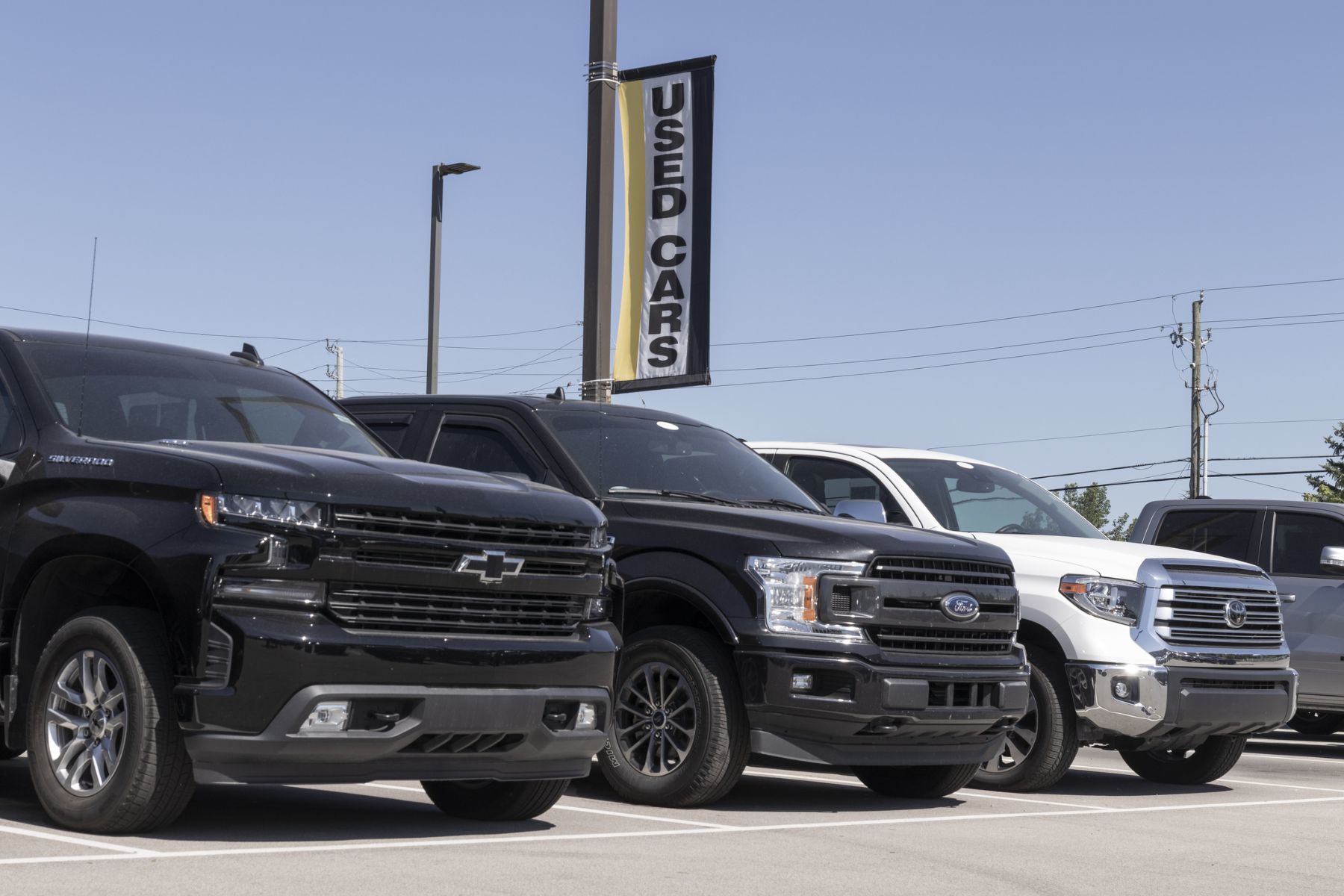
Choosing the right warranty for a pre-owned vehicle requires careful consideration. Here are some tips to ensure you select coverage that fits your needs:
- Understand Your Vehicle’s Needs: Research the model you’re buying to identify any common issues or weaknesses. This will help you determine which components are most likely to need coverage.
- Check for Overlapping Coverage: If there’s any remaining factory warranty on the vehicle, make sure your extended warranty doesn’t duplicate that coverage. Some plans offer seamless transitions once the factory warranty expires, providing continued protection.
- Look for Transferability: Warranties that can be transferred to a new owner can increase the resale value of your vehicle. If you plan to sell the car before the warranty expires, having transferable coverage can be a key selling point.
- Review Coverage Exclusions and Limitations: Every warranty comes with a list of what’s not covered. Make sure to thoroughly review this section so that there are no surprises when it comes time to make a claim.
- Consider Additional Perks: Many extended warranties offer extra benefits like roadside assistance, towing, or rental car coverage. While these features might not be essential, they can add convenience and save you money in case of a breakdown.
Conclusion

Understanding the different warranty options available for pre-owned vehicles can make a big difference in protecting your investment. Whether you’re relying on remaining factory warranties or considering extended options, the key is to align the coverage with your vehicle’s condition and your driving habits. By selecting the right protections, you can enjoy your pre-owned vehicle with greater confidence and peace of mind, knowing that you’re covered in case of unexpected repairs or issues.