Snow is on the way, and plenty of used-vehicle shoppers start their search with one question: should the next vehicle have all-wheel drive (AWD)? It’s a fair question. AWD badges show up on everything from compact crossovers to midsize sedans, and many buyers see them as the answer to winter.
Tires tell a bigger part of the story. AWD and winter tires do different jobs on a snowy road. Once you know which job each one handles, it gets much easier to decide where to put your attention when you shop for a used vehicle in Ontario.
At a Glance: AWD vs Winter Tires
|
Situation
|
AWD
|
Winter Tires
|
|
Pulling away on snow
|
Sends power to all four wheels for more driving traction
|
Better traction on frost, snow and ice
|
|
Braking on snow and ice
|
Does not stop faster than two-wheel drive
|
Braking distances up to 25% shorter than all-season tires
|
|
Steering through corners
|
Can still slide on slippery roads
|
Better traction and control
|
|
Below 7°C
|
Depends on the tires fitted
|
Rubber stays flexible and keeps its grip
|
What AWD Does on Snow and Ice
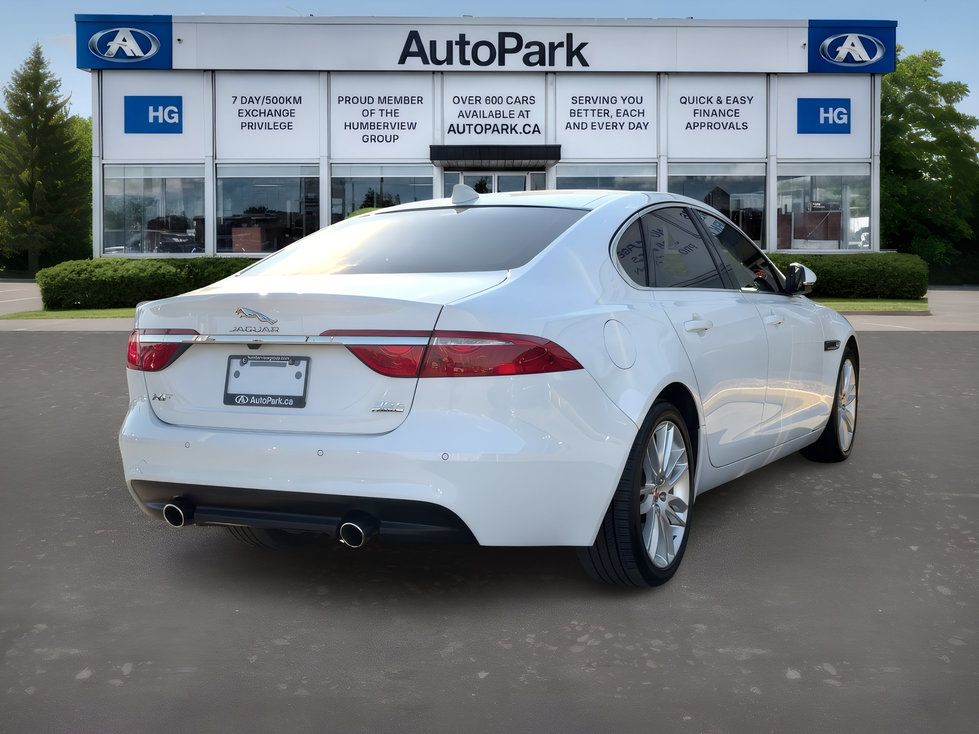
AWD sends engine power to all four wheels. On a slippery road, that extra driving traction helps a vehicle pull away from a stop and accelerate with better grip than a two-wheel-drive vehicle. Some systems stay engaged full time, while others send power to all four wheels once the system detects a need for it.
Braking is another matter. Every vehicle brakes with all four wheels, so AWD does not shorten stopping distances on snow or ice. Automaker owner’s guidance states this directly.
AWD also works only with the grip the tires can provide. An AWD vehicle can still slide on a slippery road, and the rear tires can lose grip in a corner. Four worn or hardened tires leave the system very little traction to work with.
Why Winter Tires Handle Stopping and Steering
All-season and summer tires start to lose elasticity below 7°C. The rubber firms up, and traction drops with it. Winter tires stay flexible at much lower temperatures, so they keep their grip as the thermometer falls.
Ontario’s Ministry of Transportation says winter tires can shorten braking distances by as much as 25% and improve traction and control on frost, snow and ice. Stopping and steering are the two jobs AWD can’t take over. Transport Canada recommends four winter tires, and its winter tire demonstrations included AWD, front-wheel-drive and rear-wheel-drive vehicles.
Look for the three-peak mountain and snowflake symbol on the sidewall. It shows the tire met a standardized snow-traction test. Some year-round tires carry this symbol and can stay on through the warmer months, though dedicated winter tires deliver the strongest winter performance. An M+S (Mud and Snow) marking on its own is a different label and does not confirm that snow test.
The Fuel Cost of AWD

AWD versions of a model often use a little more fuel than their front-drive versions. Here are two examples from Natural Resources Canada ratings, each comparing the same engine and transmission:
|
Model
|
Front-Drive (Combined)
|
AWD (Combined)
|
|
Honda HR-V, 2.0 L 4-cylinder
|
8.3 L/100 km
|
8.7 L/100 km
|
|
Hyundai Sonata, 2.5 L 4-cylinder
|
8.2 L/100 km
|
8.6 L/100 km
|
In both cases, the AWD version uses 0.4 L/100 km more on the combined rating. Real-world fuel use varies with how you drive, traffic, weather and the vehicle’s condition, so treat these figures as a guide.
What to Check on a Used AWD Vehicle
A used AWD vehicle is only as capable as the tires under it. AWD owner’s manuals call for four tires of the same size and type. Some also warn that mismatched sizes, or heavily worn tires paired with new ones, can damage the AWD system.
Before you buy, check these four things:
- Tread depth: Transport Canada advises against using tires worn close to 4 mm on snow-covered roads. Ontario’s legal minimum of 1.5 mm is much lower and is no guide to winter grip.
- Wear bars and damage: Raised bars sit across the tread grooves. A tire worn level with them needs replacing. Also look for cuts, cracks, bulges and uneven wear.
- Date code: The four-digit code on the sidewall shows the week and year the tire was made. For example, 3523 means week 35 of 2023.
- Matching set: Transport Canada calls for the same type, size, speed rating and load index at all four wheels.
AWD hardware needs regular care, like the rest of the drivetrain. Depending on the model, the maintenance schedule can include rear-differential fluid, transfer fluid or driveshaft boot inspections. Ask for any service invoices on file and compare them with that model’s schedule. Intervals vary from one brand and model to the next.
In Ontario, applicable disclosures about a vehicle’s past use, damage and condition must be written into the purchase agreement. Ontario also recommends having a mechanic inspect any used vehicle before you buy it.
Ontario’s Winter Tire Insurance Discount
Ontario does not require winter tires on passenger vehicles. Since January 1, 2016, though, every insurance company in the province must offer a discount on private passenger vehicle policies when winter tires are installed.
Each insurer sets its own discount amount and decides what proof it needs. Ask your insurer how to qualify, including whether a year-round tire with the mountain-snowflake symbol counts toward the discount.
Which One Matters More for You?
Tires come first. They handle braking and steering, the two jobs that matter most on a snowy road, and AWD can’t take over either one. A vehicle on four matching winter tires in good condition is ready for the stopping and turning that winter driving demands.
AWD earns its place on top of good tires. It helps you get moving from a stop on snow and ice with less fuss. If you often pull away on unplowed roads or want extra traction getting going, an AWD vehicle on winter tires gives you both strengths.
If your shortlist includes front-drive models, budget for a quality set of four winter tires and you’ll have the most important part of winter driving covered.
Find Your Winter-Ready Used Vehicle at AutoPark Brampton
Ready to compare AWD and front-drive options before the snow settles in? The team at AutoPark Brampton can walk you through the tires and service records on any vehicle that catches your eye. Book your test drive at our Brampton dealership and head into winter with the right setup.