A used vehicle history report can look like a wall of codes and dates the first time you open one. Once you know what each section is actually telling you, it turns into one of the most useful tools you have before setting foot on a lot in Ontario.
Explore Our Pre-Owned Inventory
Looking for a pre-owned vehicle? Explore Autopark Brampton's collection of pre-owned vehicles designed to fit your life. With second chance financing, no haggle pricing, and 7 day exchange policy, there’s a perfect match waiting for you.
Shop Now
What a Vehicle History Report Covers, and What It Doesn’t
A vehicle history report pulls together service records, lien checks, title status, and accident history from a large pool of sources. Its main job is to give you a documented timeline for the vehicle, not a live inspection.
Think of it as a screening tool. It flags patterns worth asking about, but it cannot replace a mechanic’s hands-on look at the vehicle. Use the report to decide which questions to bring to the seller, then confirm the rest in person.
Does the Vehicle Identity Section Match What You’re Looking At?
The first block on the report lists the basics: year, make, model, engine, fuel type, assembly location, and the last recorded odometer reading. Match every line against the vehicle in front of you, including the 17-digit VIN, which you’ll find through the windshield on the driver’s side and on the seller’s paperwork.
Check this before reading anything else. If the VIN, model year, or engine on the report does not match the vehicle you’re viewing, stop and ask why. A mismatch here means the rest of the report may not even apply to this specific vehicle.
Reading the Ownership, Title, and Lien Sections
The ownership and registration history shows how many times the vehicle changed hands and where it was registered. Frequent, closely spaced ownership changes or registration in multiple provinces are worth a direct question to the seller about why.
Out-of-province activity matters for Ontario buyers because a vehicle previously registered elsewhere may have been exposed to different climate conditions, inspection standards, or road salt exposure than a vehicle that stayed local.
The title section will flag branding terms like salvage, rebuilt, or written-off. These labels mean the vehicle was declared a total loss or significantly damaged at some point and later repaired. An outstanding lien means someone else may still have a financial claim on the vehicle, and it needs to be resolved before ownership can transfer cleanly.
|
Branding Term
|
What It Signals
|
|
Salvage
|
Declared a total loss, not yet repaired
|
|
Rebuilt
|
Previously salvaged, then repaired and re-certified
|
|
Written-off
|
Insurer determined repair cost exceeded value
|
What the Accident and Service Sections Really Show
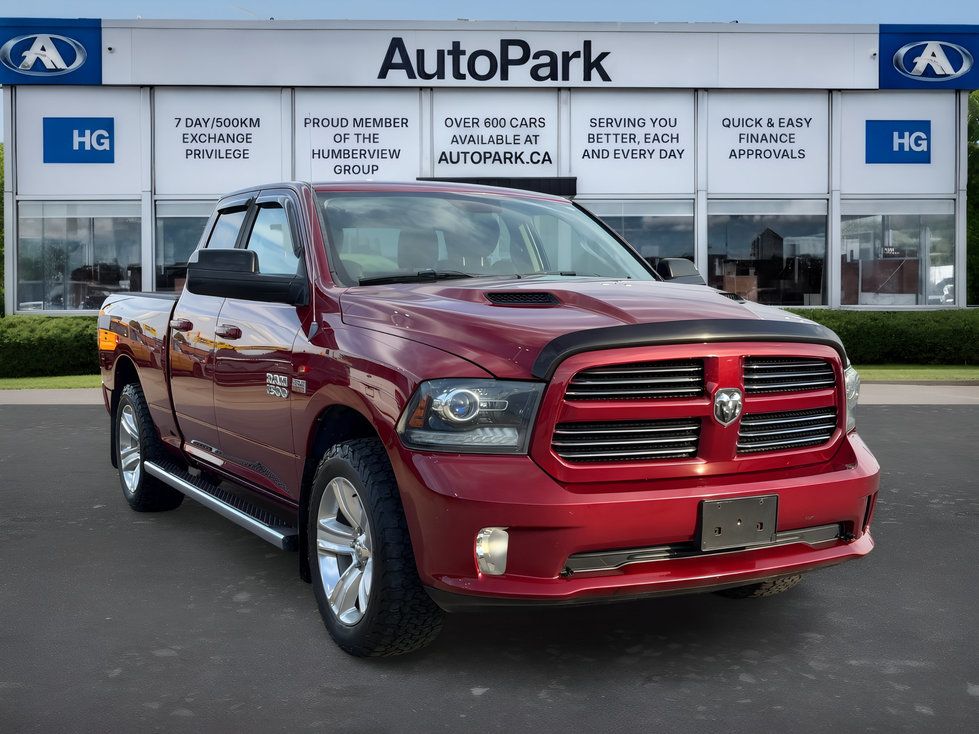
An accident entry does not automatically mean a vehicle is a bad buy. Some entries reflect minor recorded events, like a reported claim with no structural damage, while others point to more serious repair history. Ask the seller or dealer for repair invoices or photos tied to any listed accident so you can judge the severity yourself.
The service section lists recorded maintenance visits. A steady trail of oil changes, inspections, and repairs supports confidence that the vehicle was cared for. Gaps of a year or more in that trail are not automatically a problem, but they are worth asking about directly.
Does the Odometer Timeline Add Up?
Line up the odometer readings against their dates. A believable mileage progression climbs steadily over time. Sudden jumps, unexplained gaps, or a reading that drops between entries are signs the number may not reflect the vehicle’s actual use, and an odometer that cannot be verified undermines confidence in every other section of the report.
Quick Answers at a Glance

- Identity block: confirm VIN, year, make, model, and engine match the vehicle in person.
- Ownership and title: watch for frequent changes, out-of-province activity, and branding terms like salvage or rebuilt.
- Accident and service: ask for documentation on any accident entry; look for a steady service trail.
- Odometer: the mileage timeline should climb steadily with no unexplained jumps.
When to Keep Shopping and When to Ask More Questions
A report with a matching identity block, a clean title, a believable ownership pattern, and a steady odometer and service trail is a strong sign to keep the vehicle on your shortlist. Bring any accident entries, ownership changes, or maintenance gaps to the seller and ask for documentation before you commit.
If several red flags stack up together, treat that as a reason to slow down and get a mechanical inspection before moving forward, not a reason to walk away outright on the report alone.
Bringing Your Report to AutoPark Brampton
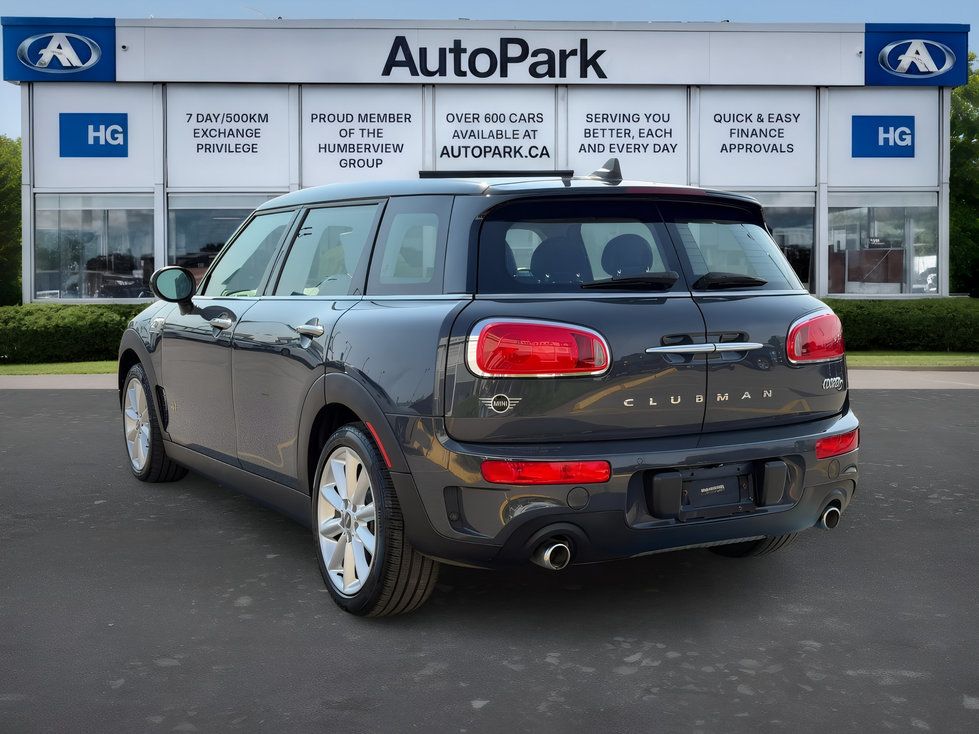
A vehicle history report gives you a documented starting point, but it works best alongside an in-person look at the vehicle and its paperwork. Reading it section by section helps you know exactly what to ask before you commit.
Visit AutoPark Brampton in Brampton with your report in hand, and our team can walk through any section together and help you confirm the details that matter most before you decide.
You might be interested in these blogs