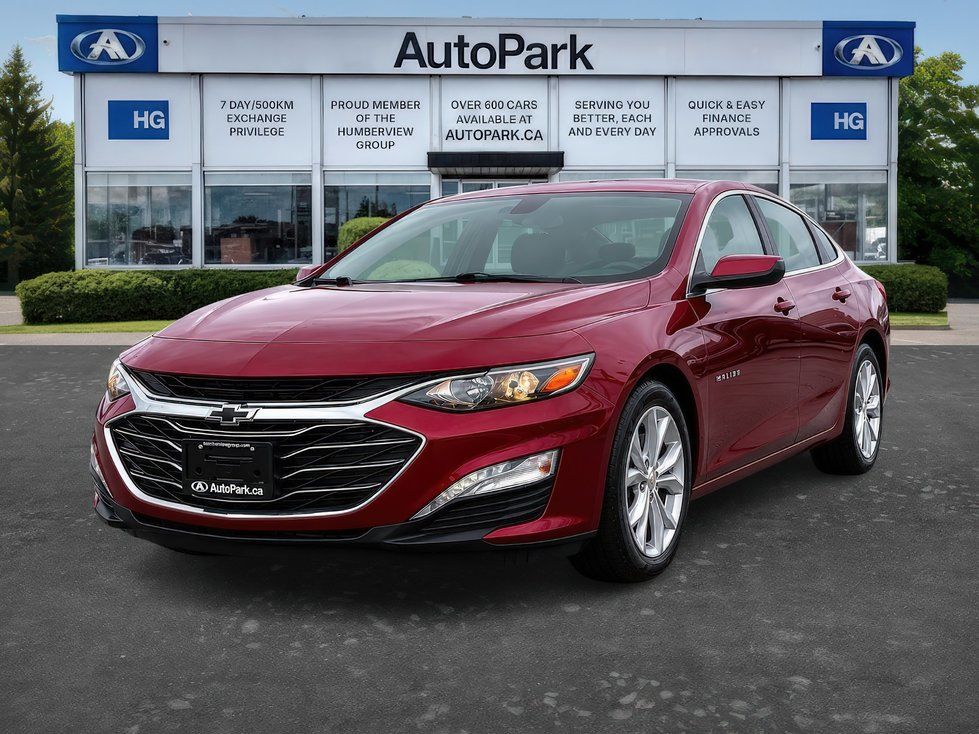
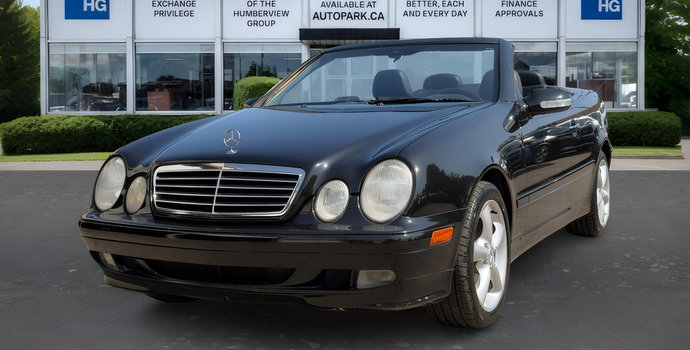
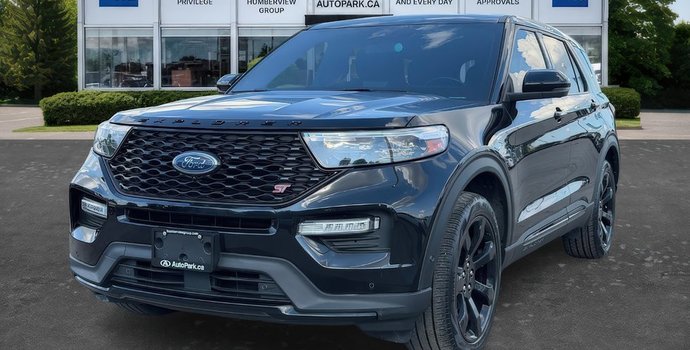
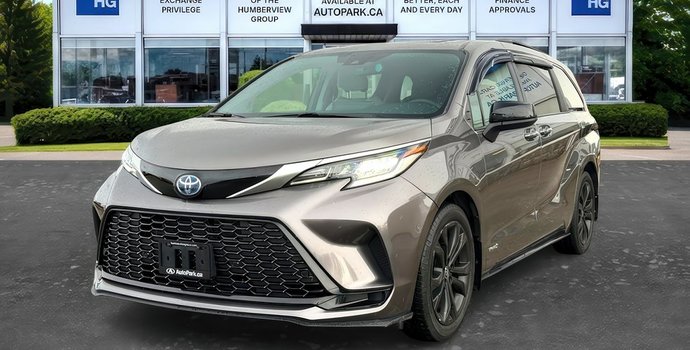
Fuel costs have a way of creeping up on you. A vehicle that looks affordable on the lot can quietly drain your wallet at the pump for years, especially if the fuel economy numbers don't match your daily driving habits. For Ontario drivers shopping used, the good news is that the pre-owned market is full of genuinely efficient vehicles at fair prices — you just need to know what to look for before you commit.
Explore Our Pre-Owned Inventory
Looking for a pre-owned vehicle? Explore Autopark Brampton's collection of pre-owned vehicles designed to fit your life. With second chance financing, no haggle pricing, and 7 day exchange policy, there’s a perfect match waiting for you.
Shop Now
This guide walks through the key steps to finding a fuel-efficient used car in Ontario without paying more than you should. Whether you're commuting across the GTA or balancing a family budget, the same principles apply: compare the right numbers, look beyond the sticker price, and choose a dealership that gives you the tools to buy with confidence.
What "Fuel-Efficient" Actually Means for Used Cars in Ontario
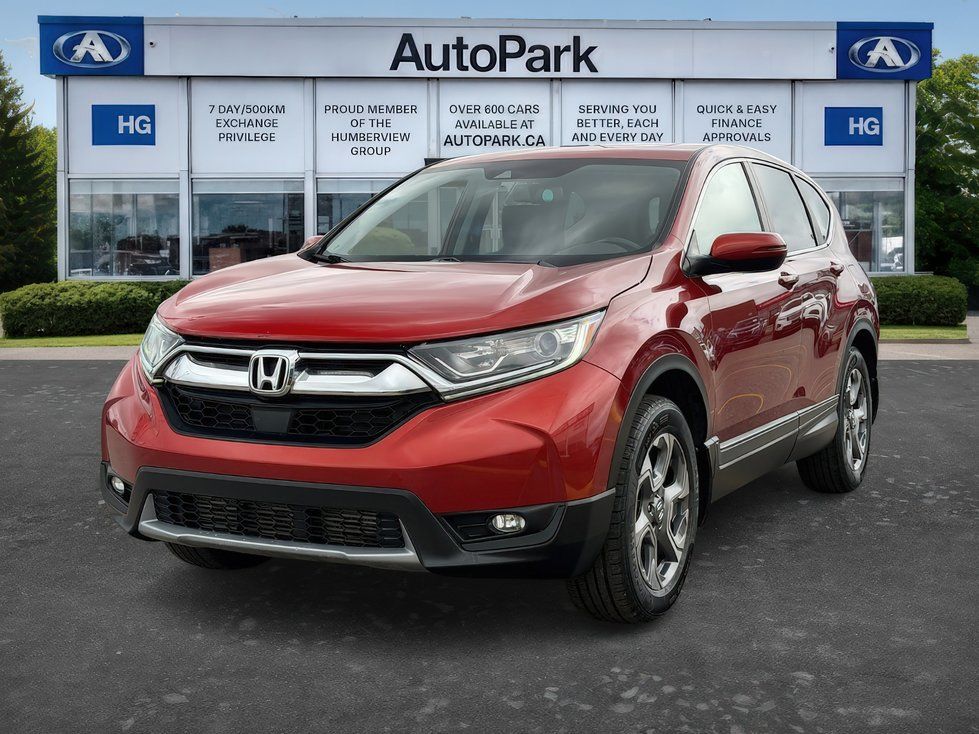
In Canada, the official benchmark for fuel economy is the Natural Resources Canada (NRCan) fuel consumption rating, measured in litres per 100 kilometres (L/100 km). Every vehicle sold in Canada has a published NRCan rating for city, highway, and combined driving. These numbers are your starting point.
A combined rating of 7.0 L/100 km or lower is generally considered efficient for a compact car or small crossover in the used market. Hybrid models from recent years routinely come in well under 6.0 L/100 km combined, making them top choices for buyers focused on fuel savings. Used plug-in hybrids and EVs can reduce gasoline costs even further, though they require some planning around charging access and typical driving range.
The NRCan Fuel Consumption Guide is free to use online and covers vehicles by year, make, and model. Before shortlisting any used vehicle, look up its official rating and compare it to the other candidates on your list. A difference of even 1.5 to 2.0 L/100 km adds up to meaningful savings over several years of Ontario commuting.
Quick Reference: Fuel Economy Benchmarks
|
Segment
|
Typical NRCan Combined Rating
|
|
Compact sedan (4-cylinder)
|
6.5–8.0 L/100 km
|
|
Small crossover (FWD)
|
7.0–9.0 L/100 km
|
|
Full hybrid (compact)
|
4.5–6.0 L/100 km
|
|
Plug-in hybrid (compact/mid-size)
|
1.5–3.5 L/100 km (gas + electric combined)
|
Ratings vary by model year and configuration. Always confirm with NRCan data for the specific vehicle and year.
The Real Cost of Owning a Fuel-Efficient Used Car
Purchase price is one number. Total cost of ownership is the number that matters.
When comparing two used vehicles, factor in fuel costs, insurance, routine maintenance, and the likelihood of repairs over your ownership period. A compact sedan that costs slightly more upfront but averages 6.5 L/100 km will often save you more over three years than a cheaper vehicle running at 9.5 L/100 km. The math changes depending on how much you drive, but for most Ontario commuters, fuel efficiency pays back.
A few other costs to keep in mind:
- Insurance: Rates vary by model, trim, and driver profile. Get a quote before finalizing your choice, not after.
- Maintenance: Models known for reliability (like certain Japanese compact cars and SUVs) tend to have lower service costs over time, which matters as much as the pump price.
- Premium fuel: Some turbocharged engines require 91-octane fuel. If you're buying for economy, look for a vehicle that runs on regular 87-octane.
- AWD fuel penalty: All-wheel drive is practical for Ontario winters but adds 0.5 to 1.5 L/100 km to typical fuel consumption. Weigh that against how much you actually need it.
Before signing anything, review the total out-the-door price: vehicle cost, licensing, applicable taxes, and any fees. Comparing candidates on the full transaction cost gives you the clearest picture of what each vehicle actually costs to buy.
How to Shortlist the Right Vehicle: A Step-by-Step Checklist
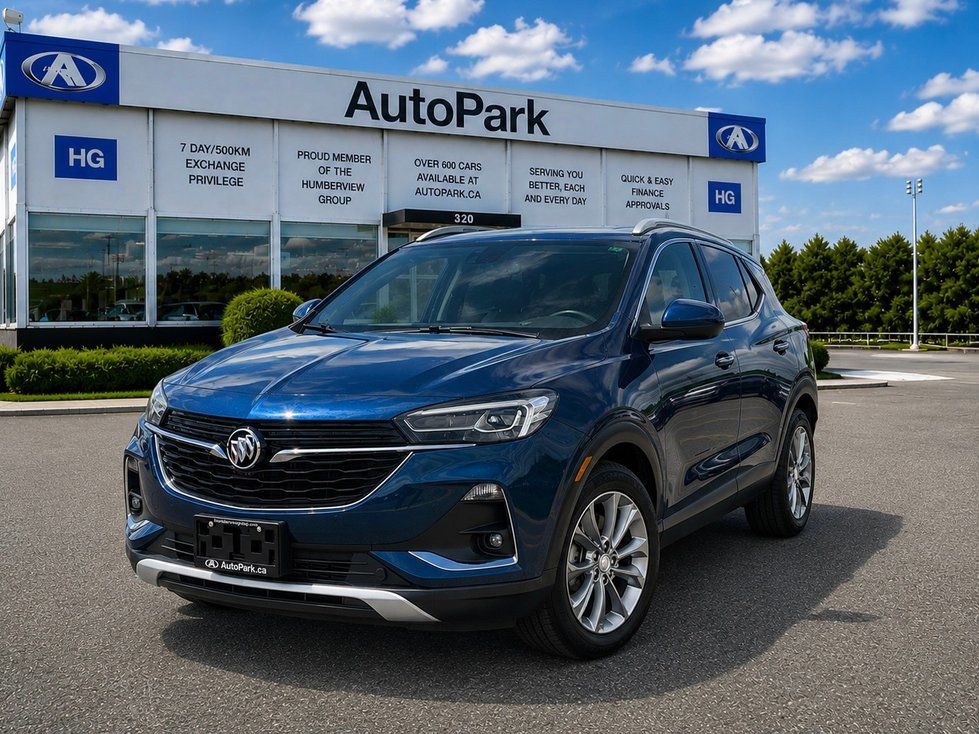
Step 1: Define Your Driving Profile
Before comparing models, get clear on how you actually drive:
- Approximate weekly kilometres
- Percentage of city versus highway driving
- Passenger and cargo needs
- Parking constraints (size matters in dense urban areas)
Your driving profile determines which fuel economy number to weight most heavily. A driver who does 80% city driving should prioritize the city rating, not the highway figure.
Step 2: Shortlist Efficient Segments and Models
Focus on vehicle categories that consistently deliver in the used market:
- Compact sedans: Well-known for low running costs and efficient 4-cylinder engines
- Small and mid-size crossovers (FWD): Good space-to-efficiency ratio, widely available used
- Full hybrids: High upfront used prices in some cases, but fuel savings can offset the gap
- Plug-in hybrids: Strong choice for drivers with home charging access
Cross-reference your shortlist with real-world owner reviews and Canadian automotive publications, not just the official NRCan rating. Some vehicles perform better in real conditions than their rated figures suggest.
Step 3: Verify the Engine Configuration
Not all versions of the same model are equally efficient. A compact SUV in one trim may offer a base 4-cylinder engine; another trim with a V6 or turbocharged setup may use considerably more fuel:
- Opt for a 4-cylinder engine when space and capability allow
- Avoid configurations that require premium fuel unless you have a specific reason
- Check whether the specific vehicle you're looking at has the fuel-saving transmission (CVT or modern automatic) or an older, less efficient unit
Step 4: Check the Vehicle History
A fuel-efficient vehicle that has been poorly maintained or repaired after an accident may not perform anywhere near its rated economy. Before purchasing:
- Review the vehicle history report for accidents, major repairs, and ownership history
- Have a trusted mechanic inspect the vehicle, particularly the drivetrain and emissions systems
- Confirm the odometer and service records are consistent
Step 5: Get Insurance and Total-Cost Estimates Before Committing
Insurance is a fixed monthly cost that can vary by hundreds of dollars a year, depending on the model. Pull a quote on your final two or three candidates before making a decision. Add projected fuel costs (using NRCan figures and your weekly distance) and you'll have a realistic picture of what each vehicle actually costs to own.
What to Look For in a Used Car Dealership
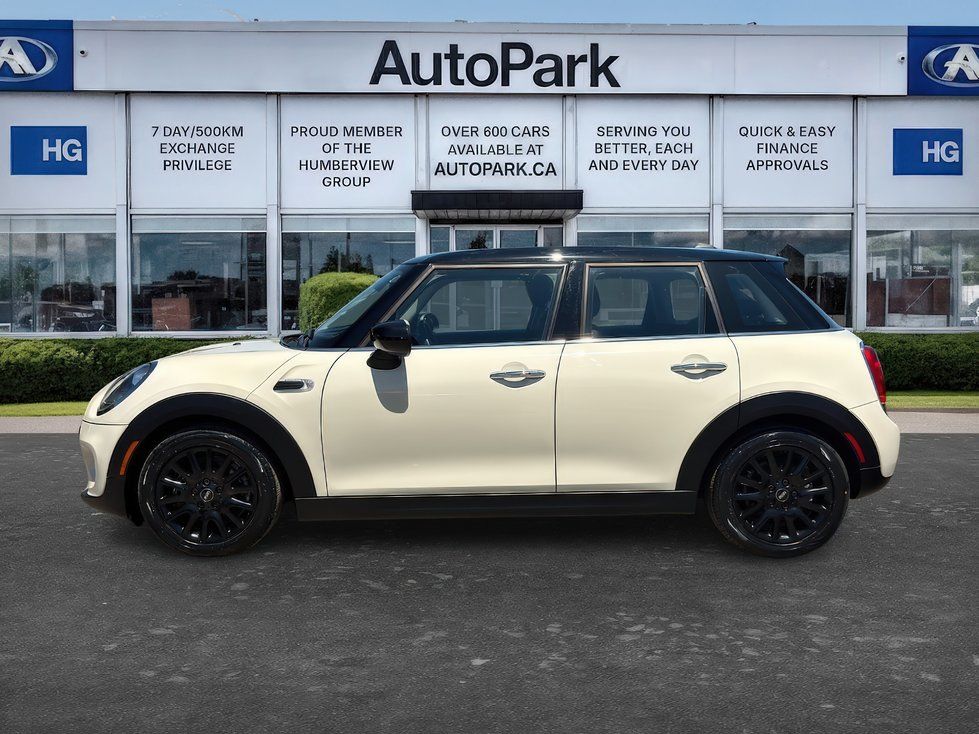
Buying from a reputable pre-owned dealership gives you access to resources and protections that make the process smoother. Look for:
- Safety-inspected inventory: Vehicles that have been checked before sale, with documentation available
- Vehicle history reports: Access to records that show past ownership, accidents, and maintenance
- Financing transparency: Clear terms, rate disclosure, and options that fit different financial situations
- Knowledgeable staff: A team that takes the time to answer your questions and help you find the right fit
AutoPark Brampton is a used-vehicle dealership in Brampton serving buyers across Ontario. Our inventory spans a range of makes, models, price points, and fuel types, with a focus on transparent pricing and pre-sale inspections. For buyers who want to make a fuel-efficient choice without second-guessing the purchase, that kind of upfront information matters.
Putting It Together: Your Pre-Purchase Fuel Economy Checklist
|
Step
|
What to Do
|
|
Define your driving profile
|
City vs. highway, weekly km, space needs
|
|
Shortlist efficient vehicles
|
Use NRCan ratings to compare by segment
|
|
Check engine configuration
|
4-cylinder, regular fuel, modern transmission
|
|
Review history and condition
|
Accident history, service records, mechanic inspection
|
|
Calculate total ownership cost
|
Fuel + insurance + maintenance over your planned ownership period
|
|
Shop at a transparent dealership
|
Inspected inventory, history reports, clear financing terms
|
Find Your Next Fuel-Efficient Used Car at AutoPark Brampton
Choosing a fuel-efficient used vehicle in Ontario takes a bit of homework, but the payoff shows up every time you fill the tank. Focus on NRCan-rated efficiency, look past the sticker price, and build a clear picture of what the vehicle actually costs to own before you sign.
Our team at AutoPark Brampton in Brampton can help you work through the options. Browse our used inventory to filter by type, price, and features, and stop in to speak with our team about what fits your driving habits and budget.
You might be interested in these blogs