Ontario used-car shoppers have two main routes: a registered dealership or a private seller. Each one leads to a different set of paperwork, taxes and protections, and those differences shape the whole purchase from the first look to the day you register the vehicle.
This guide compares the two routes side by side. It covers what each seller must provide, how tax works, what to check on any vehicle and what support is in place after the sale.
At a Glance: Dealership vs. Private Seller
|
Topic
|
Registered Dealership
|
Private Seller
|
|
Written disclosures
|
Past use, history and condition written into the contract
|
Dealer disclosure rules do not apply
|
|
Advertised price
|
All-in price includes mandatory fees
|
Set by the seller
|
|
Ontario tax
|
13% HST
|
RST, 13% in most cases, paid at ServiceOntario
|
|
Used Vehicle Information Package
|
Not required
|
Seller must provide it
|
|
Financing and trade-in
|
Handled in the same transaction
|
Arranged separately by the buyer
|
|
Help after the sale
|
Dealer, then OMVIC, plus the Compensation Fund for eligible losses
|
The seller directly, then civil court if needed
|
What a Registered Dealership Must Provide
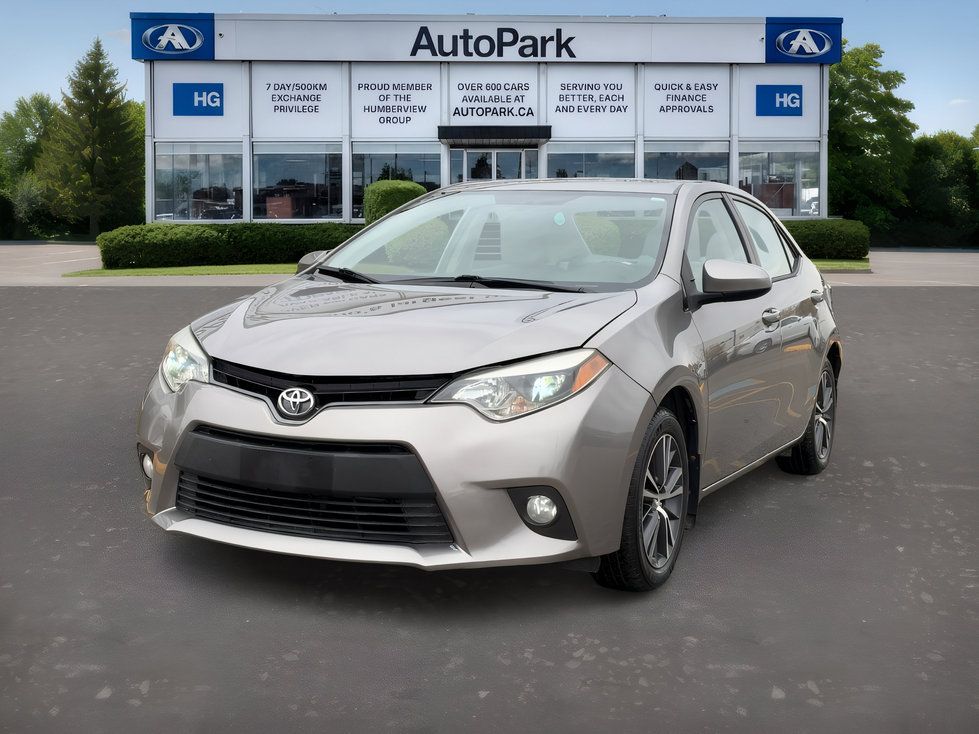
Ontario motor vehicle dealers and salespeople must be registered with OMVIC, the province’s dealer regulator. That registration comes with clear rules for every sale.
A registered dealer must write applicable disclosures into the purchase agreement. These cover past use as a taxi, police or emergency vehicle, qualifying daily rental use, the vehicle’s distance and any odometer issues. Structural, fire and flood damage, total-loss history, branding and any incident with repairs over $3,000 also belong in writing.
Pricing follows an all-in rule. An advertised price must include every mandatory fee the dealer plans to charge, including administration charges, the OMVIC transaction fee and mandatory pre-installed products. HST and licensing can be listed separately when the ad says so clearly.
Ontario has no general cooling-off period for vehicle purchases. The dealership route does come with one specific safeguard: if a dealer leaves out certain required disclosures, such as the vehicle’s distance, past taxi, police or rental use, or its branding, the buyer can cancel within 90 days of delivery.
Financing and Trade-Ins in One Place
Most dealerships arrange financing with a lender, such as a bank, an independent finance company or an automaker’s finance division. Compare the interest rate, fees, payment schedule, amount financed, term and total borrowing cost. A longer term lowers the payment while raising the total interest paid.
A dealership purchase can also include your trade-in. Get the payout amount from your current lender, and if the dealer agrees to pay off that loan, confirm the payment went through. The dealer will ask you to sign a trade-in disclosure about your vehicle’s past use, history and condition.
What a Private Sale Involves
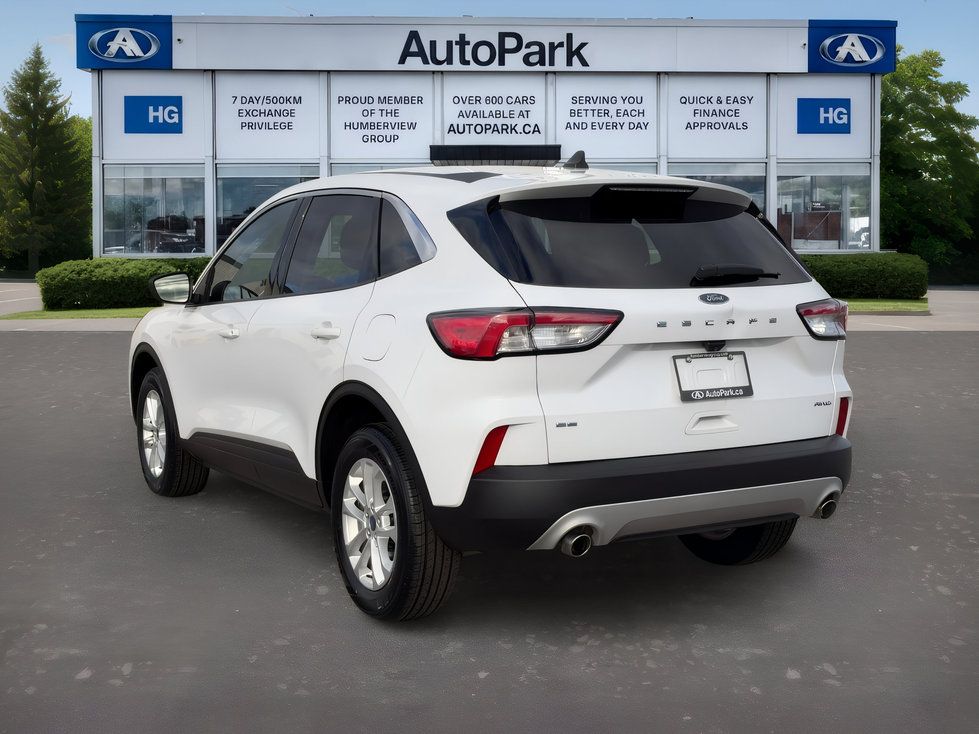
In an ordinary Ontario private sale, the seller must provide a Used Vehicle Information Package (UVIP) at the time of sale. It lists the vehicle’s Ontario registration and ownership history, odometer readings, lien information, wholesale value, tax information and last-known status.
The seller also provides the vehicle portion of the permit and a signed bill of sale, and the buyer registers the vehicle within six days.
A Safety Standards Certificate (SSC) works a little differently in a private sale. You can buy and register a vehicle without one, but you need one to put plates on it. Agree in writing on who arranges the certificate and any work it requires.
Tax is the biggest surprise for many private buyers. A private sale carries Retail Sales Tax (RST), 13% in most cases, paid at ServiceOntario. It applies to the greater of the purchase price and the vehicle’s wholesale value, which comes from the Canadian Red Book and does not reflect the individual vehicle’s condition or mileage.
Most private sellers are ordinary owners selling a personal vehicle. OMVIC warns about curbsiders, unregistered dealers who pose as private sellers. Warning signs include ID that does not match the ownership, several vehicles for sale, pressure to skip the UVIP, history report or inspection, and refusal to give a receipt.
Checks for Both Routes
Some checks apply to every used vehicle, no matter who is selling it:
- Match the VIN: Compare the vehicle identification number on the vehicle with every document.
- Confirm the liens: A registered dealer must deliver the vehicle free of the previous owner’s liens. In a private sale, review the UVIP lien details and get written proof that any loan is paid and the lien removed.
- Review the history: Go through maintenance records, ownership information and a vehicle history report.
- Check for recalls: Search Transport Canada’s recall database, then use the automaker’s VIN lookup or ask an authorized dealer for that brand.
- Inspect and drive it: Book an independent mechanical inspection and take a thorough test drive.
What Happens If Something Goes Wrong
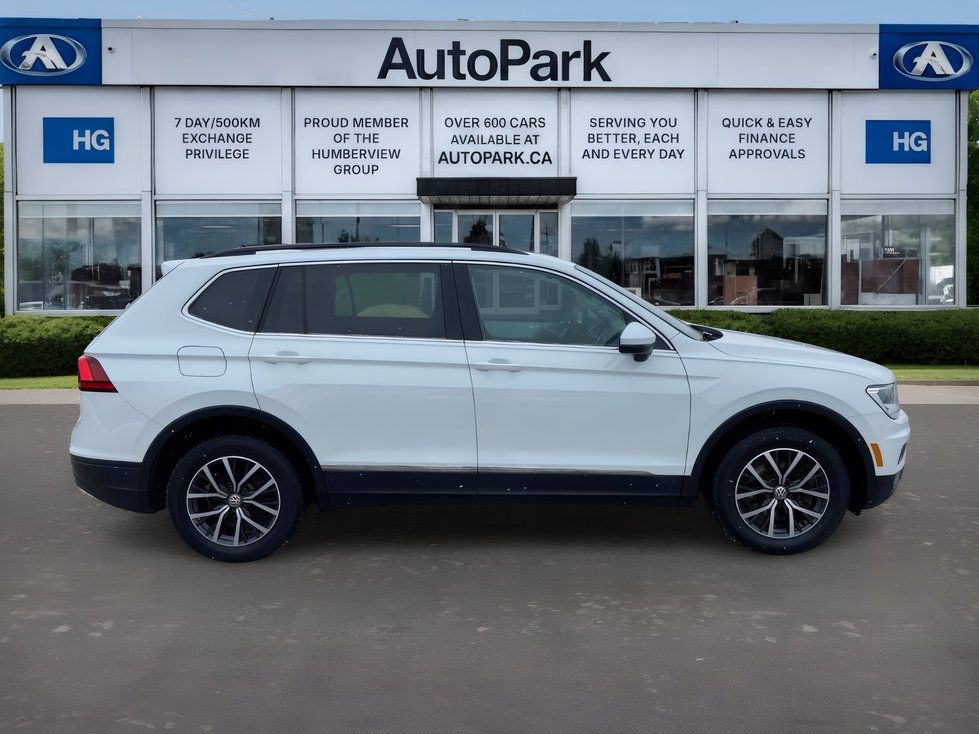
With a registered dealership, start by keeping the ad, contract, written disclosures, messages and any repair records. Raise the issue in writing with the owner or general manager.
If it stays unresolved, file a complaint with OMVIC online or by phone. OMVIC staff review the issue, look for possible breaches of the rules and can help both sides reach a resolution.
Registered-dealer buyers also have the Motor Vehicle Dealers Compensation Fund. It reimburses eligible, proven financial losses from a transaction with a registered dealer, up to $45,000 per vehicle transaction. Qualifying cases include an undelivered vehicle, an unreturned deposit, qualifying non-disclosure and a dealer closing. Claims are reviewed for eligibility, and the fund does not act as a mechanical warranty.
A private purchase sits outside OMVIC’s dealer protections, the Compensation Fund and its complaint process. Contract and transfer rules still apply, though, and civil court remains an option. For a problem such as a rolled-back odometer, that can mean locating the seller and filing a claim. Suspected curbsiders can be reported to OMVIC for enforcement.
Which Route Is Right for You?
For most Ontario buyers, a registered dealership brings the most support to a used car purchase. You get written disclosures, an all-in advertised price, financing and trade-in in one transaction, and OMVIC backing if a problem comes up later.
A private sale puts more of the paperwork, tax and checks on the buyer. If you choose that route, rely on the UVIP, the checklist above and an independent inspection before any money changes hands.
Shop Used With Confidence at AutoPark Brampton
Want the support of a registered dealership behind your next used car? AutoPark Brampton backs every vehicle it sells with a 7 Day/500 km Exchange Policy, giving you time to confirm the vehicle fits your needs. Ask our team for the full details, then book your test drive at our Brampton dealership.