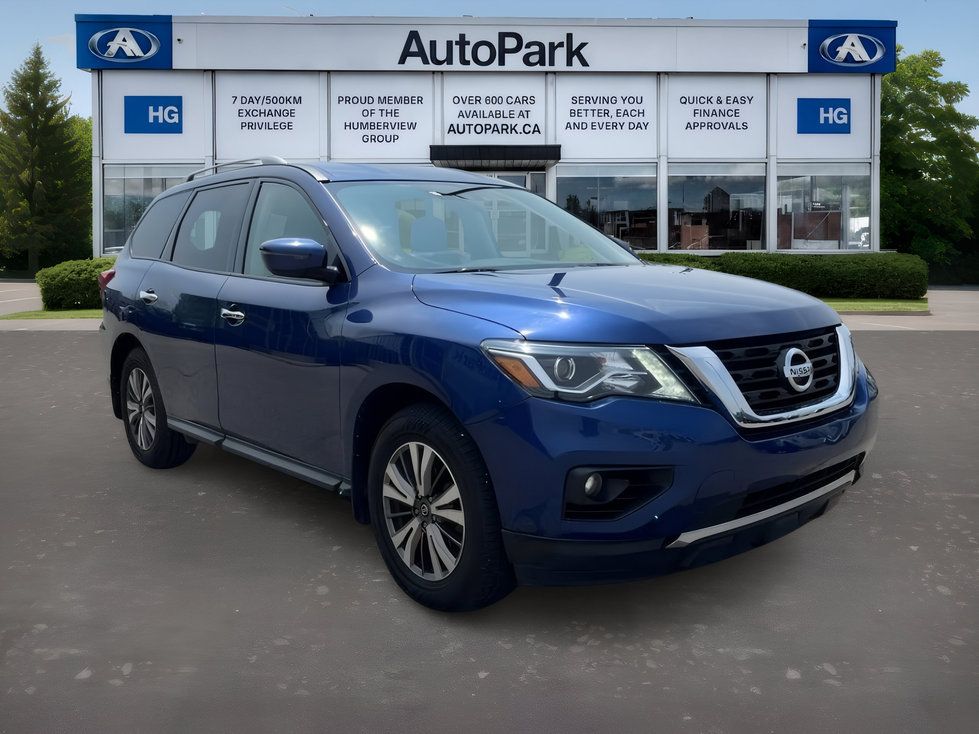
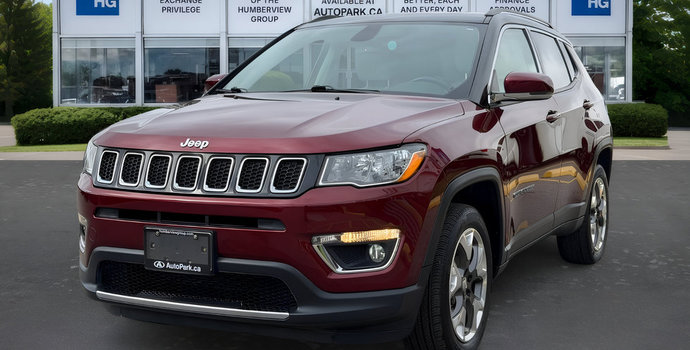
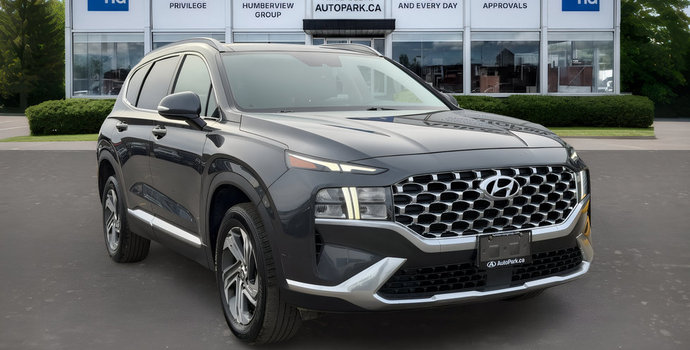
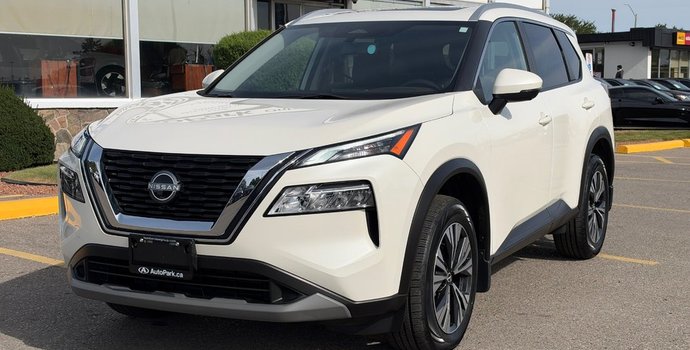
A budget of $20,000 opens the door to a wide range of used cars, SUVs and pickups. It also leaves less room for surprises, so the checks you make before signing carry real weight. A clear checklist keeps your attention on the vehicle’s history, its condition and its true cost.
This guide walks through what Ontario buyers should review on any used vehicle in this price range. It covers the paperwork, the safety certificate, the test drive and the costs that sit on top of the advertised price.
At a Glance: What Your Budget Covers
|
Cost
|
In the Advertised Price?
|
What to Know
|
|
Vehicle price and mandatory dealer fees
|
Yes
|
Ontario’s all-in rule covers administration charges, the OMVIC transaction fee and mandatory pre-installed products
|
|
Safety certification
|
Yes, unless sold as-is
|
A properly disclosed as-is vehicle is the exception
|
|
HST
|
No, when the ad says so
|
Budget 13% on a purchase from a registered Ontario dealer
|
|
Licensing
|
No, when the ad says so
|
The actual cost of registration and plates
|
|
Optional warranties and protection
|
No
|
Only the products you choose to add
|
|
Financing
|
No
|
Depends on the rate, term and total cost of borrowing
|
In other words, “under $20,000” describes the vehicle’s advertised price. Your total spend also includes HST, licensing and anything optional you add, so build those into your budget from the start.
Read the Written Disclosures
A registered Ontario dealer must write applicable facts about a vehicle’s past use, history and condition into the purchase agreement. This section of the contract deserves a slow, careful read.
Required disclosures include any incident where repairs cost more than $3,000, along with the total repair cost if it is known. Structural damage, fire damage, flood damage that reached the interior floorboards, and total-loss or rebuilt branding are separate disclosures. So is past use as a taxi, limousine, police or emergency vehicle, and qualifying daily rental use.
Distance matters too. The agreement must show the vehicle’s total distance when it can be determined, plus any odometer problem or a display that reads in miles. Missing or non-working airbags, non-working ABS brakes and a cancelled manufacturer warranty also belong in writing.
Some vehicles are sold as-is. An as-is vehicle comes with no promise that it is roadworthy, and it can need major repairs before it can be driven. The contract must carry a prescribed as-is statement that the buyer initials, so you always know which kind of vehicle you are looking at.
Recalls, History Reports and Liens
Start your recall check with Transport Canada’s Road Safety Recalls Database. Then use the automaker’s VIN lookup, or ask an authorized dealer for that brand, to confirm whether the repair applies to that exact vehicle and whether it was completed. After you buy, register the vehicle with the automaker so future recall notices reach you.
A vehicle history report gathers reported accidents and damage, registration records, service records, import history, odometer readings and recall information. It shows what was reported to the report provider, so read it alongside the written disclosures and a mechanical inspection.
A registered dealer must pay off any outstanding loan or repair bill on a vehicle and deliver it free of liens. Ask for the lien details as part of the vehicle file so your paperwork is complete. A Used Vehicle Information Package (UVIP) is a private-sale document, and a registered dealer does not need to provide one.
What a Safety Standards Certificate Means
A Safety Standards Certificate (SSC) confirms that a vehicle met Ontario’s minimum safety standards on the day it was inspected at a DriveON inspection centre. The inspection covers the powertrain, suspension, brakes, steering, lamps, electrical system, body, tires and wheels, along with a road test.
The certificate is valid for 36 days after the inspection. It is a minimum-standards check on one date and does not act as a warranty. In Ontario, you can buy and register a vehicle without an SSC, but you need one to put plates on it. Review the certification documents with the rest of your paperwork.
Test Drive and Inspection Checklist
Plan your test drive in daylight and give yourself enough time to check each of these points:
- Drive it properly: Include highway speeds where it is safe, and pay attention to smooth acceleration, steering, shifting, braking and how the suspension handles bumps.
- Check the fit: Adjust the seat and mirrors, reach every control and try the rear seats.
- Test the features: Run the heat, air conditioning, radio, Bluetooth, windows and locks, then count the keys and remotes.
- Book an inspection: OMVIC recommends an inspection by a trusted mechanic, especially once the factory warranty has ended.
Tires and Fuel Ratings
Tires are easy to overlook on a test drive. Industry guidance calls for replacement at 2/32 inch (1.6 mm) of tread anywhere on the tread face, or once the wear bars sit flush with the tread. Look for uneven wear, cuts, cracks and bulges as well.
The last four digits of the tire identification number show the week and year the tire was made. For example, 3523 means week 35 of 2023. Follow the vehicle and tire makers’ service-life recommendations for that tire.
For fuel use, Natural Resources Canada’s fuel consumption ratings search tool lets you compare vehicles by model year and powertrain. Compare city, highway and combined L/100 km figures on the same basis. The ratings come from controlled lab testing, so they work best as a side-by-side comparison between vehicles.
Financing: Compare the Total Cost
The monthly payment is one part of a financing offer. Look at the annual percentage rate (APR), the term, the payment schedule, the cost of borrowing and the total of all payments before you choose.
Optional products, such as an extended warranty, sit outside the mandatory items already in the advertised price. Before you add coverage, review who provides it, which parts and labour it covers, its time and distance limits, and its conditions.
Putting Your Checklist Together
A strong used car purchase under $20,000 starts with the paperwork. Read the written disclosures, confirm the recall status by VIN and review the history report.
Then move to the vehicle itself with a test drive, a mechanical inspection and a close look at the tires. Finish with the full budget, including HST, licensing and financing, so the numbers match your plan.
Start Your Used Car Search at AutoPark Brampton
Budget set and checklist ready? AutoPark Brampton provides a standard CARFAX Vehicle History Report on every vehicle it sells, so you can review the reported history alongside the written disclosures. Book a test drive at our Brampton dealership and work through your list with our team.