If you've never traded in a vehicle before, the whole idea can feel a little mysterious. How does the dealer figure out what your car is worth? What happens if you still owe money on it? And why do people keep saying you'll pay less tax if you trade in?
Trade Forward with Confidence
Your next used vehicle could be closer than you think. See how your trade-in can help you move forward.
Get Your Trade-In Value
Those are fair questions, and the answers are simpler than you might expect. Here's a plain-language walkthrough of how trade-ins work in Ontario, what paperwork is involved, and how the process flows at AutoPark Brampton.
What a Trade-In Actually Is
A trade-in is exactly what it sounds like: the dealership buys your current vehicle from you and applies that value as a credit toward the used vehicle you're purchasing.
So instead of two separate transactions (sell your old car, then buy a new one), it all happens in a single deal at a single location. You drive in with your old vehicle and drive out with your next one, with the paperwork handled in between.
The HST Advantage in Ontario
This is the part most first-time traders are surprised by. When you trade in at a licensed Ontario dealership, you only pay 13% HST on the difference between the purchase price and your trade-in value — not on the full price of the vehicle you're buying.
Here's a simple example:
- Used vehicle purchase price: $25,000
- Your trade-in value: $10,000
- Taxable amount: $15,000
- HST owed (13%): $1,950
Now compare that to selling your car privately and then buying from a dealer:
- Used vehicle purchase price: $25,000
- HST owed on the full price (13%): $3,250
In this example, trading in saves you $1,300 in tax. The exact savings depend on your trade-in value, but the rule is the same: the more your trade is worth, the less HST you pay on the new purchase.
The Step-by-Step Trade-In Process
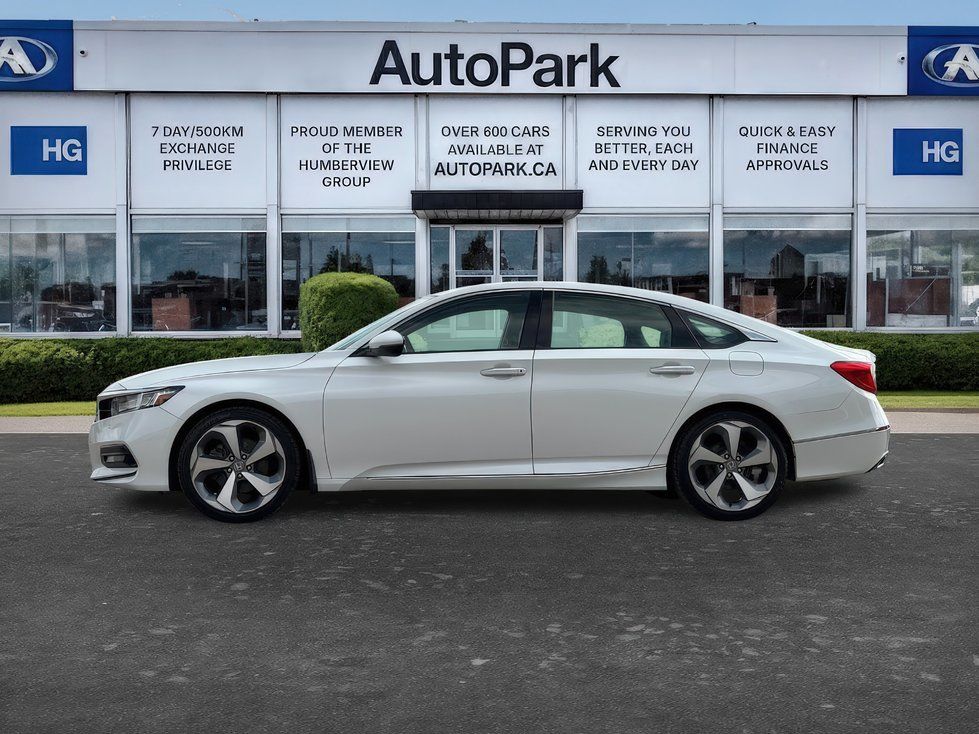
At most Ontario dealerships, the trade-in process flows through four straightforward stages.
1. Get an Initial Estimate Online
Before you even visit, you can get a ballpark value for your current vehicle. AutoPark Brampton offers an online Value Your Trade tool where you enter your year, make, model, kilometres, and contact details, then receive an estimated value backed by live market data. There's no obligation to buy anything.
2. In-Person Appraisal
When you visit the dealership, a member of the team takes a closer look at your vehicle. They check the condition, confirm the kilometres, review the options and features, pull a vehicle history report, and compare everything against current market data. That review lets them confirm a firm trade-in offer.
3. Apply the Trade-In to Your Deal
Once you agree on a trade-in value, that number is subtracted from the price of the vehicle you're buying. HST is calculated on the net amount, which is where your tax savings show up on the bill of sale.
4. Paperwork and Ownership Transfer
The dealer collects your vehicle permit (ownership), has you sign the transfer section, and takes care of the registration and any lien payoff on your behalf. You don't need to handle a separate sale, advertise online, or meet strangers to complete a private transaction.
What to Bring to the Appraisal
Having the right items on hand makes the appraisal faster and more accurate. Plan to bring:
- The vehicle's permit (ownership), registered in your name
- Your driver's licence
- Any loan or lien information, including your approximate payoff balance
- Service records, if you have them
- Both sets of keys, including remotes and fobs
- Any original accessories, manuals, or add-ons that may support the value
A clean, tidy vehicle also helps. It won't change the mechanical condition, but it lets the appraiser see the car at its best.
What If I Still Owe Money on My Car?
This is one of the most common questions, and the short answer is: it's not a problem.
If your trade-in has an outstanding loan, the dealer can pay your lender directly as part of the deal. If the trade-in value is higher than your remaining loan balance, the extra amount goes toward your new vehicle. If the trade-in value is lower than your balance (known as negative equity), the difference can usually be rolled into the financing on your next vehicle.
Either way, you should know your approximate loan balance before you arrive so there are no surprises during the paperwork.
What About the UVIP and Private Sale Rules?
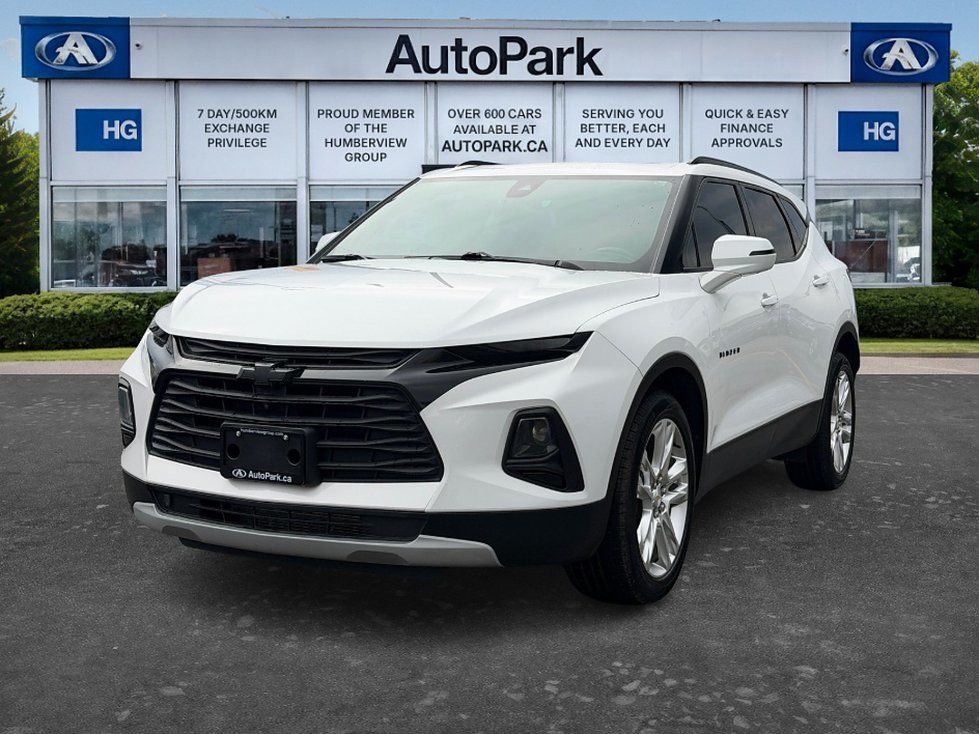
You may have seen references to a Used Vehicle Information Package (UVIP) when researching used vehicles in Ontario. A UVIP is required for private sales, but not when you sell your vehicle to a licensed dealer as a trade-in. The dealership handles the equivalent documentation on its end, which is one reason trading in is faster than a private transaction.
Why Trading In Is Simpler Than Selling Privately
Selling privately can get you a slightly higher number on paper, but it also comes with real costs: the hours spent photographing and listing the car, the back-and-forth with strangers, the test drives with unknown drivers, the tire-kickers who never show up, and the paperwork you have to manage yourself.
Trading in trades some of that potential upside for convenience, tax savings, and peace of mind. The dealer handles the appraisal, the payoff, the transfer, and the tax math in a single visit. For most first-time traders, that trade-off is well worth it.
On top of that, every licensed Ontario dealership operates under OMVIC (the Ontario Motor Vehicle Industry Council) rules, which cover contract disclosure, trade-in recording, and consumer protection. That regulatory framework gives you recourse that simply doesn't exist in a private cash sale.
How AutoPark Brampton Handles Trade-Ins
AutoPark Brampton keeps the trade-in process transparent from start to finish. You can start online with the Value Your Trade tool for an instant estimate, then bring the vehicle in for a no-pressure in-person appraisal. There's no requirement to buy a vehicle in order to receive an offer.
Because the dealership also offers no-haggle pricing and a 7-day used vehicle exchange program on pre-owned vehicles, you can appraise your trade, choose your next vehicle, and complete financing in one visit with added peace of mind after you drive off.
Ready to See What Your Vehicle Is Worth?
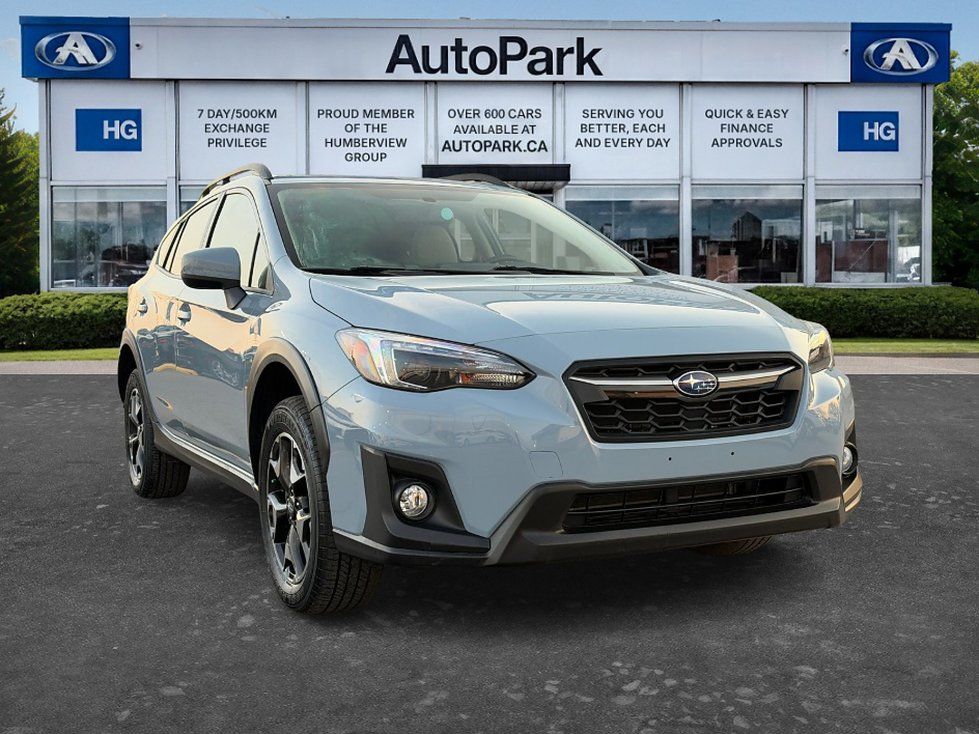
Trading in is one of the simplest ways to move from your current vehicle into a pre-owned one, especially once you factor in the HST savings and the time you get back.
Start your estimate with the Value Your Trade tool on the AutoPark Brampton website, or visit the dealership in Brampton for a full in-person appraisal. The team is happy to answer questions, walk through the numbers, and show you the next steps without any pressure.
You might be interested in these blogs